Create Inviting Atmospheres with Color and Design
- rachelchetner
- Jul 5, 2025
- 5 min read
Creating an inviting atmosphere in your home or workspace can significantly impact your mood and productivity. The right colors and design elements can transform a dull space into a warm and welcoming environment. Whether you are redecorating a room or simply looking to refresh your space, understanding how color and design work together is essential.
In this blog post, we will explore how to use color and design to create inviting atmospheres. We will discuss the psychology of color, the importance of design elements, and practical tips to help you achieve the perfect ambiance.
The Psychology of Color
Color plays a crucial role in how we perceive our surroundings. Different colors evoke different emotions and can influence our mood. Here are some common colors and their psychological effects:
Blue: Often associated with calmness and tranquility, blue can create a serene atmosphere. It is perfect for bedrooms or spaces meant for relaxation.
Yellow: This bright color is linked to happiness and energy. It can make a space feel cheerful and inviting, making it ideal for kitchens or dining areas.
Green: Symbolizing nature, green promotes a sense of balance and harmony. It works well in living rooms or home offices, providing a refreshing vibe.
Red: A bold and passionate color, red can stimulate energy and excitement. It is often used in dining rooms to encourage conversation and appetite.
Neutral Colors: Shades like beige, gray, and white create a calm backdrop. They allow other colors to stand out and can make a space feel more spacious.
Understanding these associations can help you choose the right colors for your space.
Choosing the Right Color Palette
Once you understand the psychology of color, the next step is to choose a color palette that reflects your style and the atmosphere you want to create. Here are some tips for selecting a color palette:
Start with a Base Color: Choose a primary color that will dominate the space. This could be a neutral shade or a bold color, depending on your preference.
Add Accent Colors: Select one or two accent colors that complement your base color. These can be used in smaller doses, such as in decor or furniture.
Consider the Lighting: Natural and artificial lighting can affect how colors appear. Test your colors in different lighting conditions to see how they change throughout the day.
Use Color Swatches: Collect paint swatches or fabric samples to visualize how colors work together. This can help you make more informed decisions.
Create a Mood Board: Gather images, colors, and textures that inspire you. This can serve as a guide when selecting colors for your space.
By carefully choosing your color palette, you can create a cohesive and inviting atmosphere.
The Role of Design Elements
In addition to color, design elements such as furniture, layout, and decor play a significant role in creating an inviting atmosphere. Here are some key design elements to consider:
Furniture Selection
The type of furniture you choose can greatly impact the feel of a space. Here are some tips for selecting inviting furniture:
Comfort is Key: Choose comfortable seating options, such as plush sofas or cozy chairs. This encourages relaxation and makes guests feel welcome.
Scale Matters: Ensure your furniture is appropriately sized for the space. Oversized furniture can make a room feel cramped, while too-small pieces can feel lost.
Mix Textures: Incorporate a variety of textures, such as soft fabrics, smooth surfaces, and natural materials. This adds depth and interest to your space.
Layout and Flow
The layout of a room can affect how inviting it feels. Consider the following when arranging your space:
Create Conversation Areas: Arrange seating to encourage conversation. Group chairs and sofas in a way that promotes interaction.
Allow for Movement: Ensure there is enough space to move around comfortably. Avoid blocking pathways with furniture.
Balance the Space: Distribute furniture and decor evenly throughout the room. This creates a sense of harmony and balance.
Decor and Accessories
Decorative elements can enhance the inviting atmosphere of a space. Here are some ideas for incorporating decor:
Use Artwork: Hang artwork that resonates with you. This adds personality and can serve as a conversation starter.
Incorporate Plants: Adding greenery can bring life to a space. Plants not only improve air quality but also create a calming environment.
Layer Lighting: Use a combination of ambient, task, and accent lighting to create a warm glow. Consider using dimmers to adjust the mood as needed.
By thoughtfully considering these design elements, you can create a space that feels inviting and comfortable.
Practical Tips for Creating Inviting Spaces
Now that we have covered the basics of color and design, here are some practical tips to help you create inviting spaces:
Start Small: If you are unsure where to begin, start with a small area, such as a corner of a room. Experiment with colors and decor before committing to larger changes.
Personalize Your Space: Incorporate items that reflect your personality and interests. This could be family photos, travel souvenirs, or favorite books.
Keep it Clutter-Free: A tidy space feels more inviting. Regularly declutter and organize to maintain a clean environment.
Use Scent: Consider adding scented candles or essential oil diffusers. Pleasant scents can enhance the overall atmosphere and make a space feel more welcoming.
Invite Natural Light: Maximize natural light by using sheer curtains or blinds. Natural light can make a space feel more open and inviting.
Experiment with Patterns: Don’t be afraid to mix patterns in your decor. This can add visual interest and create a lively atmosphere.
Incorporate Comfort Items: Add soft throws, cushions, or rugs to create a cozy feel. These elements invite people to relax and enjoy the space.
By implementing these tips, you can create an inviting atmosphere that reflects your style and makes others feel welcome.
Bringing It All Together
Creating an inviting atmosphere with color and design is a rewarding process. By understanding the psychology of color, choosing the right palette, and incorporating thoughtful design elements, you can transform any space into a warm and welcoming environment.
Remember to personalize your space and keep it clutter-free. Small changes can make a big difference in how inviting your home or workspace feels.
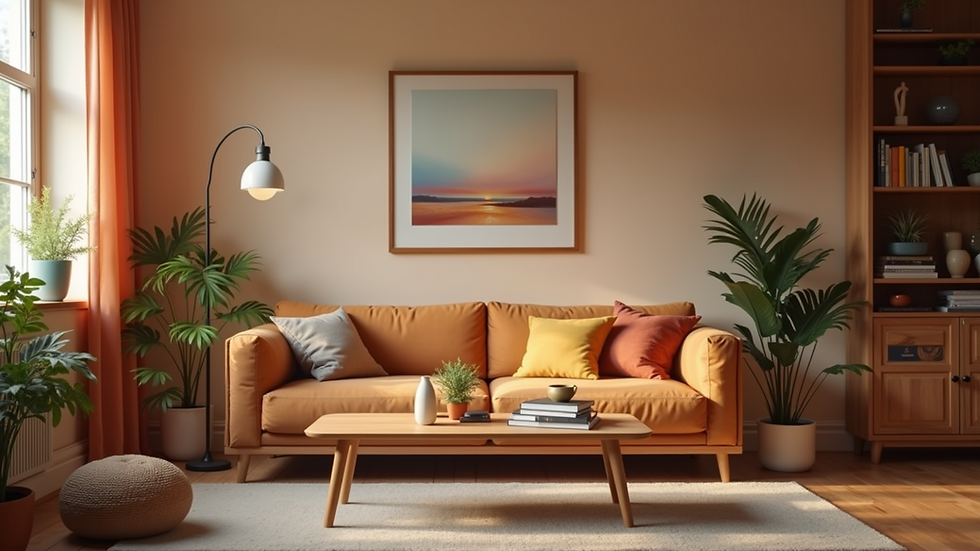
As you embark on your journey to create inviting atmospheres, keep experimenting and have fun with the process. Your space should reflect who you are and make you feel at home.
With the right colors and design elements, you can create an environment that not only looks beautiful but also feels inviting and comfortable. So go ahead, unleash your creativity, and enjoy the transformation of your space.


Comments